The CDC says it’s over.
Officials declared an end to the outbreak on September 11. The final tally tied to contaminated iceberg lettuce: 12,883 illnesses across 21 states, at least 570 hospitalizations, two deaths.
Both deaths were in Michigan. Both people had underlying health conditions.
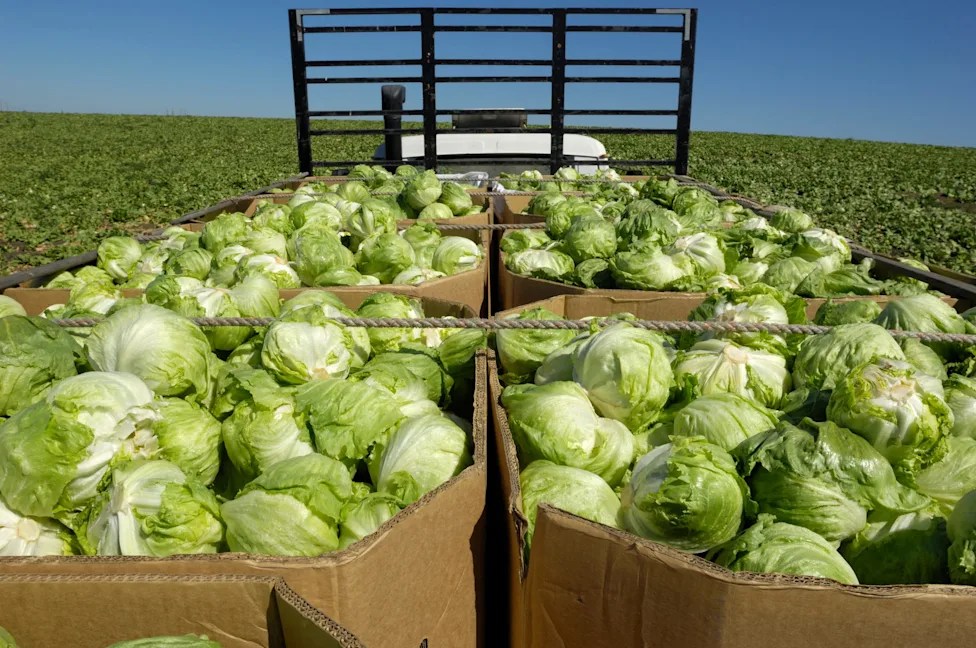
The lettuce came from Taylor Farms de México, a processor working out of central Mexico. It ended up in two places at once — restaurants, Taco Bell among them, and grocery store shelves under a handful of packaged salad brands. The contaminant was Cyclospora, a parasite that causes watery diarrhea that can drag on for weeks if it’s not treated.
Illnesses started showing up June 14. The recall didn’t come until July 17.
That gap matters. Most of the people who got sick were exposed before anyone pulled the product. At the worst point, before the recall, the CDC was logging more than 1,000 new infections a day.
Case counts kept climbing into late July. By July 30, the combined confirmed-and-possible total had passed 18,000, with 6,707 of those lab-confirmed. Six separate Cyclospora investigations were running on the FDA’s tracking table at the same time. The first two deaths were reported August 3. Two days after that, the CDC widened the outbreak to include anyone who’d eaten the recalled lettuce, not just people who’d specifically eaten at Taco Bell.
By August, new cases had slowed to fewer than two a day on average.
Michigan lifted its bagged-salad advisory in early August, once ER visits started dropping. The state had told residents to avoid bagged salad mixes altogether. That guidance is gone now.
FDA inspectors went to the lettuce grower and the processing facility in Mexico. They worked with Mexican officials. That part of the investigation wrapped up around the same time the CDC made its announcement. Nobody has said publicly what actually caused the contamination. One early sample that tested positive got reclassified later — FDA lab staff called it a false positive and pulled it from the record.
There’s also a bigger number worth knowing. The 12,883 figure only covers the lettuce-linked cases. Zoom out to the full 2026 cyclosporiasis season — May through August, every source combined, not just Taylor Farms — and the CDC’s count runs closer to 19,883 illnesses, with over 1,000 hospitalized. That’s roughly 16 times the case count from all of 2025.
The business side felt it too. Sweetgreen cut its sales outlook. Salad and Go, a chain built entirely around the thing everyone stopped trusting for a while, filed for Chapter 11 in early August. Taco Bell says it pulled the lettuce once the recall hit.
Is it still a risk? Not from this batch. The CDC says the product’s best-by dates have long passed and none of it is still on shelves or in restaurants.
One more thing worth knowing: cyclosporiasis can take up to six weeks to get reported after someone first gets sick. That means a few more cases tied to this outbreak could still trickle in, even with the CDC calling it closed.


